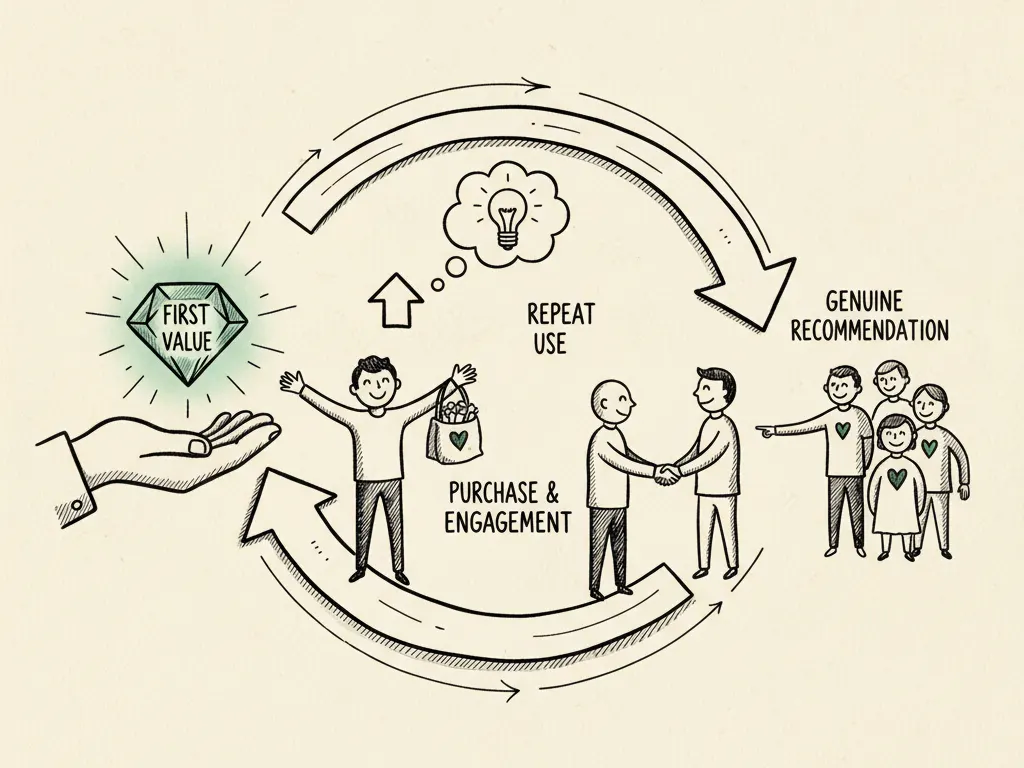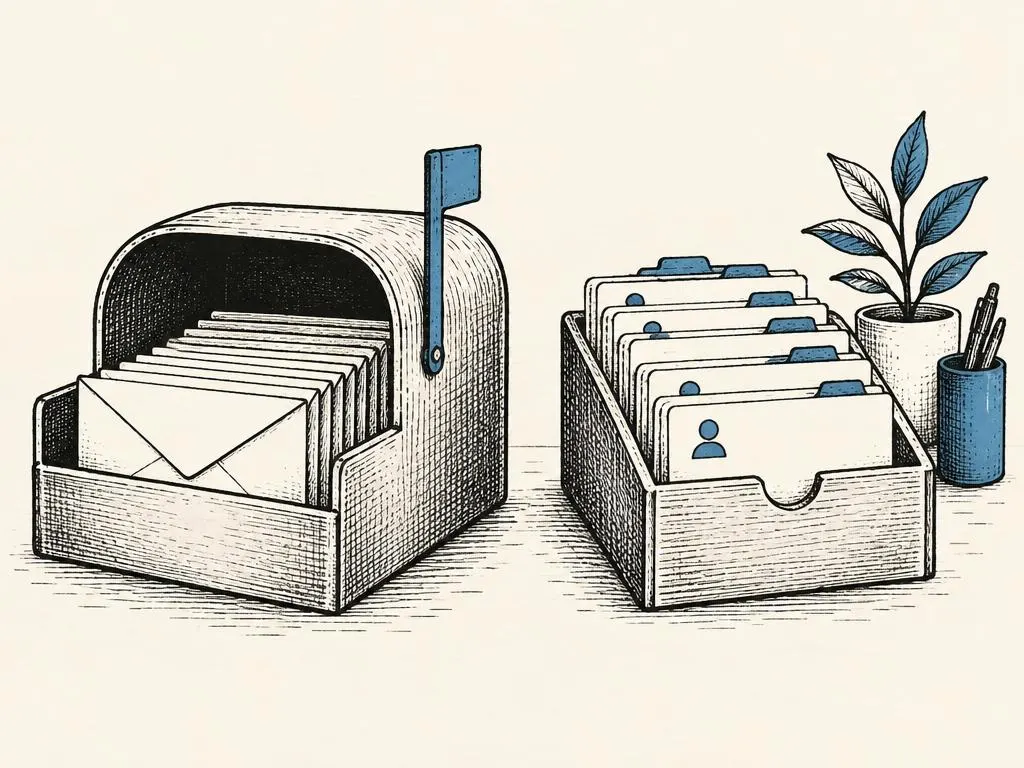
A large bought or scraped email list looks impressive in a spreadsheet and performs badly in practice: high unsubscribe rates, spam complaints, poor deliverability, and almost no genuine engagement. A smaller list built on real permission, people who actively chose to hear from you, consistently outperforms it. This guide covers how to build that kind of list without resorting to purchased contacts or manipulative tactics.
Make a credible subscriber promise
The single biggest lever in list growth is the specificity and credibility of what you promise subscribers. 'Join our newsletter' tells a visitor nothing about what they'll receive or why they should care. A credible promise names the actual benefit and, ideally, the frequency: for example, 'one practical tip each week on pricing your freelance work' is far more compelling than a generic newsletter signup, and it also sets expectations that reduce later unsubscribes.
Matching the promise to the audience's stage
A visitor reading a detailed how-to article is in a different mindset than someone browsing your homepage; a specific promise tied to the content they're already engaging with (for example, 'get the next three posts in this series by email') tends to convert better than a generic site-wide offer repeated everywhere.
Place signup forms in context
Where and when you ask for an email address matters as much as what you promise. A form placed at the end of a genuinely useful article, after a visitor has already experienced your value, tends to convert better than an immediate pop-up on page load. Other effective contexts include a dedicated page describing the subscriber benefit in more depth, a prompt after someone downloads or completes something, and a simple, visible form in a website footer or sidebar for visitors who are ready regardless of context.
| Placement | Typical fit |
|---|---|
| End of a relevant article | Strong: visitor already found the content useful |
| Immediate pop-up on page load | Weak: no context or trust established yet |
| Dedicated signup page with detail | Strong for visitors actively seeking more |
| After completing a related action | Strong: natural continuation of intent |
| Generic site-wide footer form | Moderate: works as a low-friction catch-all |
Set and honor clear expectations
At the point of signup, state plainly what subscribers will receive and roughly how often. Then honor that promise consistently; a list told to expect a weekly tip that instead receives daily promotional emails will unsubscribe or mark messages as spam at a higher rate. If your plans change, for example moving from weekly to biweekly, tell existing subscribers rather than silently shifting their experience.
Maintain consent and easy unsubscribe mechanisms
Every subscriber should have clearly and knowingly opted in, and every email should include a straightforward, working way to unsubscribe. Beyond being the right thing to do, this protects your sender reputation: a list with easy unsubscribe options tends to have lower spam complaint rates, which in turn protects deliverability for every email you send, including to people who remain genuinely engaged.
Prioritize list quality over bought contacts
Purchased or scraped email lists are built from people who never agreed to hear from you. Beyond typically violating most email service providers' terms of service and relevant anti-spam regulations, they perform poorly: recipients don't recognize your brand, open rates and engagement are low, spam complaints are high, and poor engagement signals can damage your sender reputation even for your genuinely permissioned subscribers. A list of 500 people who opted in for a specific reason will consistently outperform 50,000 bought contacts.
Three signup-copy examples
- Service business: "Get one practical tip on [specific topic] in your inbox every Tuesday. No spam, unsubscribe anytime."
- Content/creator: "Join [email count or simply 'the list'] and get the next three deep-dive posts in this series before anyone else, roughly once a week."
- Ecommerce: "Get early access to new arrivals and one useful styling or usage tip each month, nothing else."
A subscriber journey from signup to engaged reader
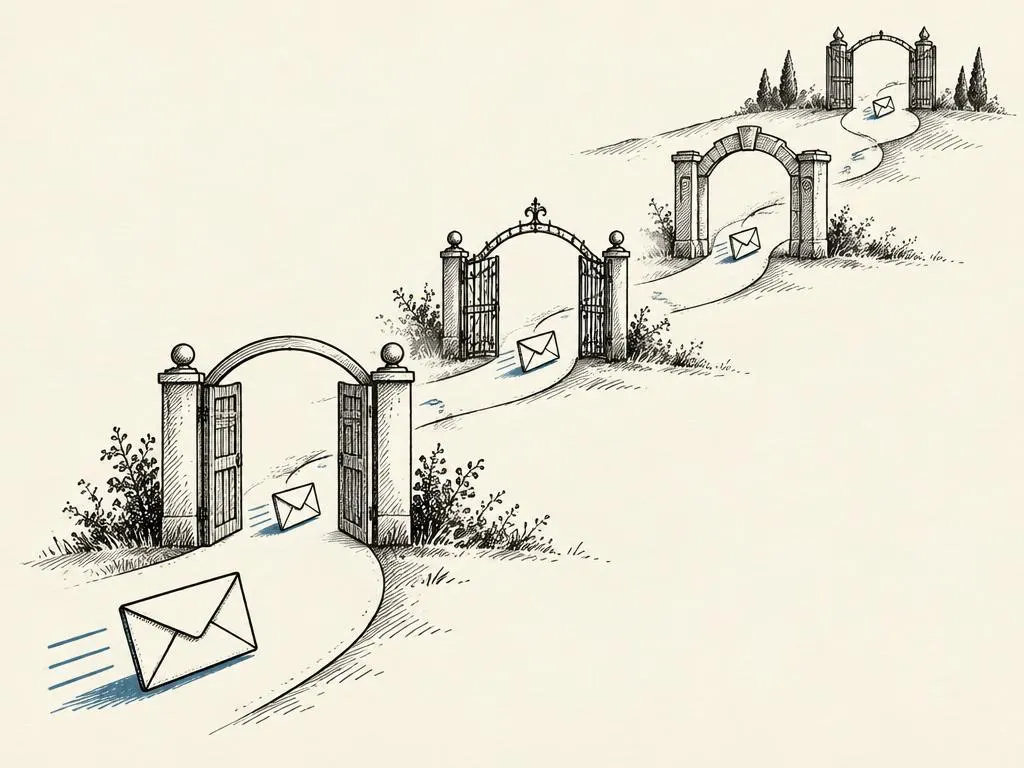
- 1Signup: visitor sees a specific, credible promise in context and opts in
- 2Confirmation: subscriber receives an immediate, friendly confirmation setting expectations again
- 3First real email: delivers on the exact promise made at signup, building initial trust
- 4Ongoing cadence: consistent frequency and content match what was promised
- 5Feedback loop: engaged subscribers get more attention; unengaged ones are reviewed, not ignored
Common mistakes
- Using a vague 'subscribe to our newsletter' prompt with no specific benefit stated.
- Interrupting every page visitor with an immediate pop-up before they've seen any value.
- Promising one frequency or content type and delivering something different.
- Making unsubscribe links hard to find or burying consent details in fine print.
- Buying or scraping email lists to inflate subscriber counts.
When this is not the right tactic
If your business model depends on a single, rare transaction with no reason for ongoing contact, for example a one-time local service with almost no repeat need, building an email list may deliver limited ongoing value compared to other channels, and a lighter-touch approach (a simple contact form) may suffice. If you're in a very early stage with no content or offer worth promising yet, it may be more effective to build that first and launch list-building once you have something genuinely useful to deliver.
Where to go next
Once your list is growing, build out a welcome and nurture automation sequence, and consider pairing specific lead magnets with your signup forms to make the subscriber promise even more concrete.