Most marketing content focuses on the first sale: ads, landing pages, and lead generation. But for almost every business, the customers you already have are the cheapest, highest-trust audience you'll ever market to. Retention marketing keeps existing customers engaged and buying; referral marketing turns those satisfied customers into a source of new ones. Both depend on the same foundation, a genuinely good customer experience, so this article treats them together.
Why retention deserves its own strategy
Acquisition (covered elsewhere in this curriculum) gets a new person to buy once. Retention is about what happens next: does that person come back, upgrade, renew, or simply disappear after one purchase? A business that only invests in acquisition is constantly refilling a leaking bucket. Improving retention even modestly compounds over time, because every retained customer reduces how much new acquisition is required to hit the same revenue target. It also tends to be cheaper to influence, since you already have a channel to reach these people (email, app, SMS) and permission to talk to them.
Step 1: Identify customer success moments
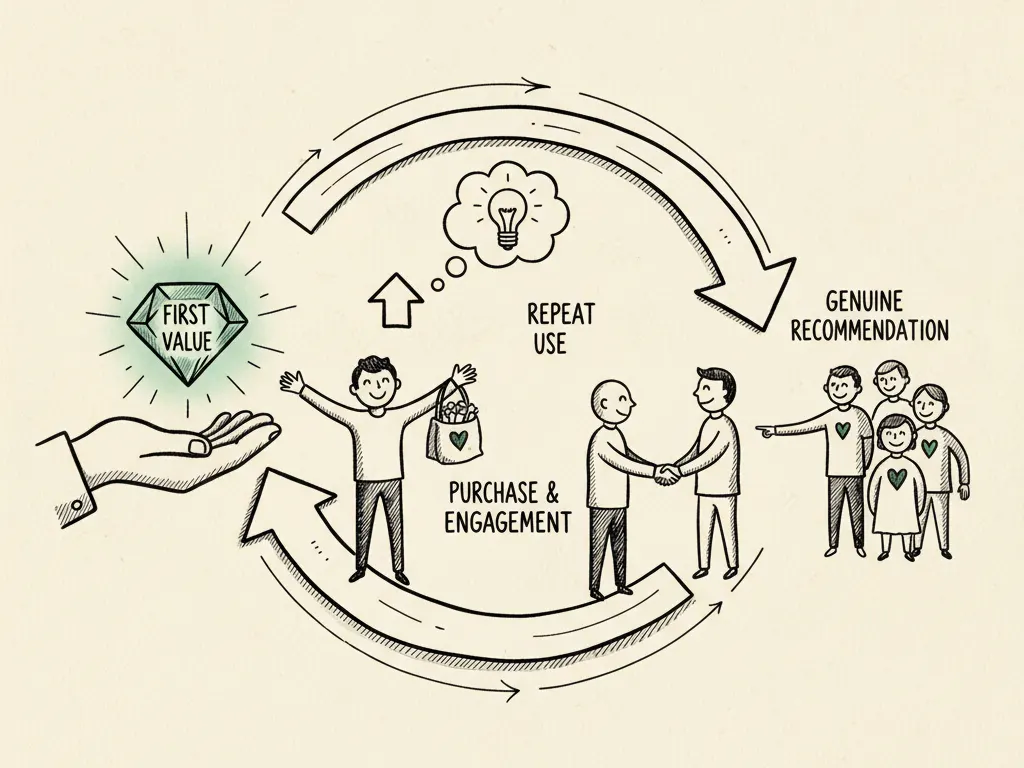
A customer success moment (sometimes called an 'aha moment') is the specific point where a customer experiences the value they paid for, not just when they received the product. For a software tool, it might be completing a first key task, not just logging in. For an ecommerce brand, it might be unboxing and using the product correctly, not just receiving the delivery notification. For a service business, it might be the first result the client actually sees. Identifying this moment, through customer interviews, support tickets, or usage data, tells you where onboarding should focus and when it's safe to ask for a review or referral.
Step 2: Improve onboarding and repeat value
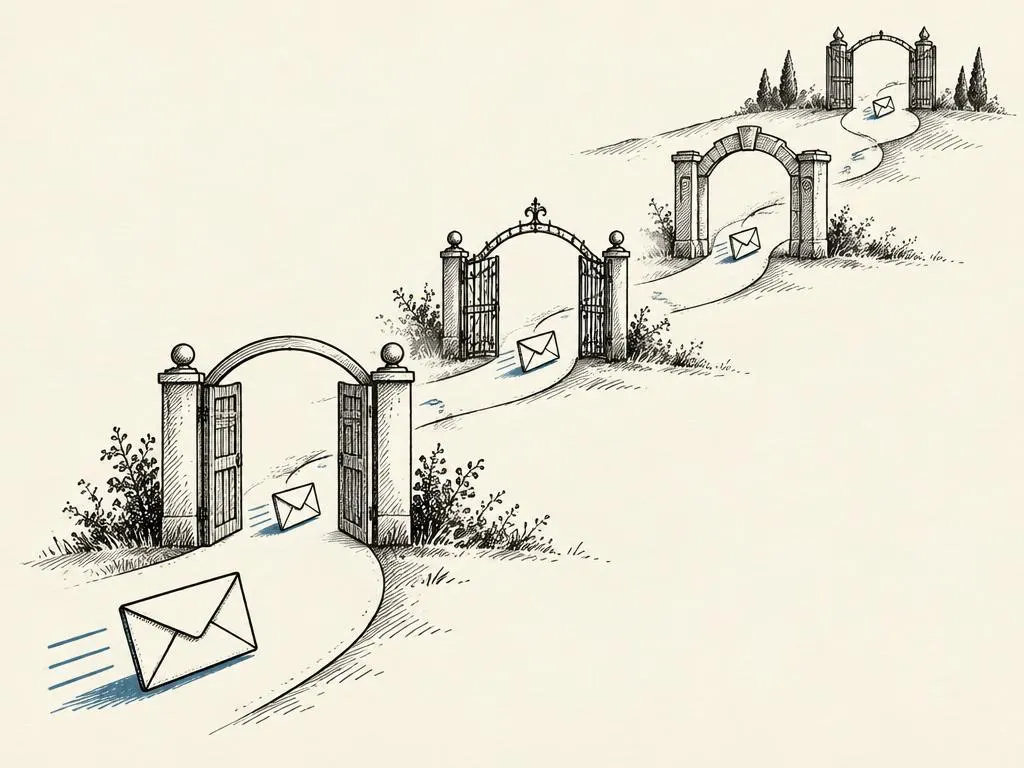
Onboarding is everything between 'purchase complete' and 'customer success moment reached.' Weak onboarding (a single generic welcome email, or no guidance at all) leaves customers to figure things out alone, and many won't bother. Strong onboarding actively walks a new customer toward their first success moment: a short welcome sequence with clear next steps, a simple setup checklist, or a personal check-in for higher-value purchases. After that first success, repeat value means giving customers a reason to return: new use cases, replenishment reminders, loyalty perks, or simply consistently good service that makes repurchasing an easy decision rather than a fresh evaluation.
Step 3: Segment lifecycle messages
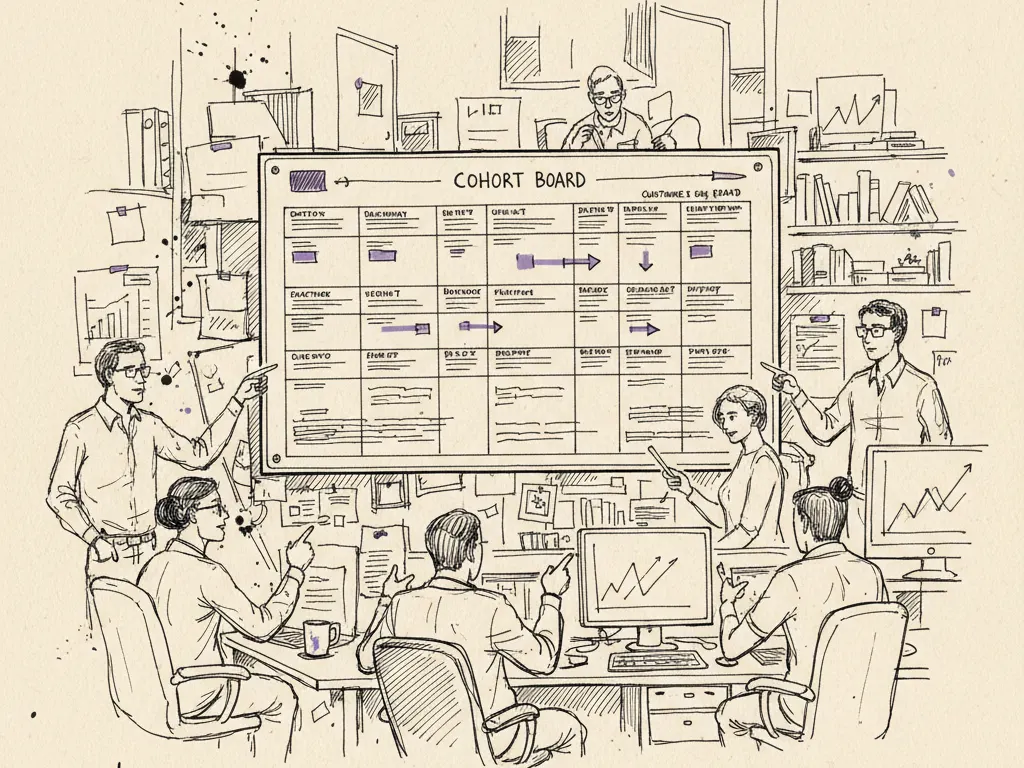
Not every customer should get the same email. Lifecycle segmentation groups customers by where they sit in their relationship with you, commonly: new (just purchased, needs onboarding), active (engaged, buying or using regularly), at-risk (engagement or purchase frequency dropping), and lapsed (gone quiet past your typical repurchase window). Each segment needs a different message: new customers need onboarding help, active customers can be offered complementary products or an early referral ask, at-risk customers need a check-in or incentive to re-engage, and lapsed customers need a win-back offer or a reason to reconsider.
Repeat purchases versus subscription retention
These are often lumped together as 'retention' but require different tactics. Repeat-purchase retention applies to businesses selling discrete, re-buyable items or services (a coffee brand, a landscaping company); success looks like shortening the time between purchases and increasing the number of purchases per year, usually through reminders timed to when the product runs out or the service is typically needed again. Subscription retention applies to recurring-revenue businesses (software, memberships, subscription boxes); success looks like reducing churn, the rate at which subscribers cancel, which requires understanding why people cancel (price, lack of use, a better alternative) and addressing the actual cause rather than just offering a generic discount to everyone who tries to leave.
Step 4: Design a referral loop with realistic economics
A referral program asks existing customers to recommend you, usually in exchange for an incentive for them, the new customer, or both. A referral loop is 'genuine' when the incentive rewards an action that reflects real satisfaction (a customer who has reached their success moment telling a specific friend) rather than incentivizing random sharing that attracts low-quality signups. Before launching, model the economics: what does each referral reward cost, what's the realistic referral rate (the share of eligible customers who actually refer someone), and does the value of a referred customer (which is often higher-trust and cheaper to convert than a cold lead) justify the reward cost. Be explicit about terms: who qualifies, when the reward is paid (often after the referred customer completes a real purchase, not just a signup, to avoid rewarding gaming), and any caps.
A lifecycle map and referral model template
- Define the customer success moment for your business, backed by real customer feedback
- Map each lifecycle stage: new, active, at-risk, lapsed, advocate
- Write one tailored message per stage, not one generic blast
- Decide whether your business needs repeat-purchase tactics, subscription-churn tactics, or both
- Draft referral terms: who qualifies, reward amount, timing, and caps
- Model referral economics: estimated participation rate × reward cost versus value of a referred customer
- Set a review cadence to check actual retention and referral rates against this plan
Common mistakes
- Asking for a referral before the customer has reached their success moment, when goodwill is still low.
- Sending the same message to new, active, and lapsed customers instead of segmenting.
- Launching a referral program without modeling the reward cost against the value of a referred customer.
- Treating a subscription cancellation like a one-off purchase lapse and offering a generic discount instead of addressing the actual reason for churn.
- Measuring referral 'shares' or link clicks instead of actual paying customers generated.
- Over-rewarding sharing itself rather than genuine recommendations, which attracts low-quality signups.
When this is not the right tactic
A formal referral program is premature for a very new business with few satisfied customers yet, since there isn't a large enough advocate base to make the economics work, and a weak early product experience referred widely can do more harm than good. Heavy lifecycle segmentation is also overkill for a business with only a handful of customers; in that stage, personal outreach (a phone call or a genuinely personal email) often beats building automated segments. Build retention and referral systems once you have a repeatable customer base and a clear picture of what 'success' looks like for your typical customer.