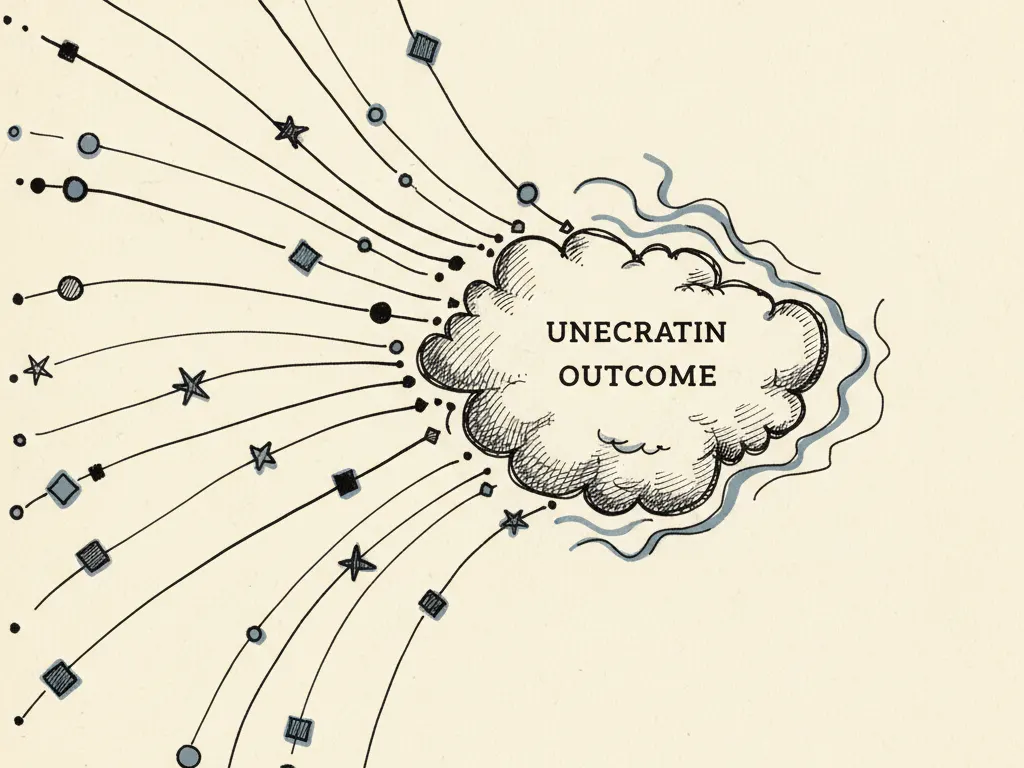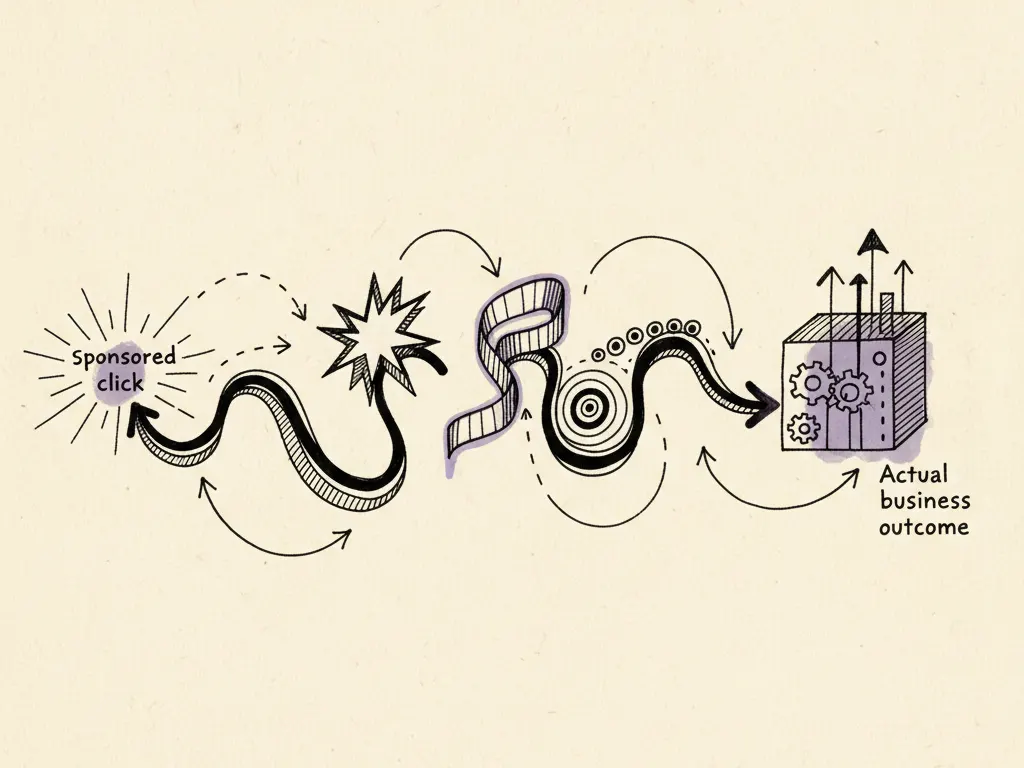
Measurement is where ambition for a new ad surface most often runs ahead of reality. It is easy to build a campaign; it is harder to know, with confidence, what it actually produced. For ChatGPT Ads specifically, the honest position in late 2026 is that the product is real and documented, but it is newer than mature platforms like Google Ads or Meta Ads, and reporting depth should be expected to be more limited until the ecosystem matures. A good measurement plan accounts for that explicitly instead of assuming parity with a 15-year-old ad platform.
Start with the question, not the tool
Before naming any tracking mechanism, define the business question you actually need answered: how many qualified leads or purchases came from this campaign, and at what cost relative to their value. Only once that question is clear should you look at which tracking mechanisms the platform currently documents as supported, because building a measurement setup around whatever tool exists, without a clear question, produces dashboards nobody can act on.
A four-stage measurement plan
- 1Verify current tracking mechanisms and what data they can send, directly from official documentation
- 2Define the specific events that matter for your business (lead, trial start, purchase)
- 3Audit event quality: check for duplicates, missing parameters, and timing issues
- 4Reconcile platform-reported outcomes against your CRM or order system before trusting the numbers
1. Verify current tracking mechanisms
Confirm, from official sources, exactly how conversions can be reported back to the platform for your account type. This might be a server-side event submission method, a client-side tag, or another officially documented approach; do not guess at a name or treat a method used on another platform as automatically available here.
2. Define the events that matter
List the specific actions you need measured, for example 'contact form submitted,' 'trial started,' or 'purchase completed,' each with a clear definition of what counts (a confirmed submission versus a page view of the form, for instance). Avoid defining success only as a click, since a click is an engagement signal, not a business outcome.
3. Audit event quality
Once events are flowing, check for common quality issues: the same conversion firing twice (duplication), events missing key details like order value, and timing mismatches where an event logs well after the actual action happened. These issues inflate or distort reported performance regardless of how good the underlying campaign is.
4. Reconcile against your own systems
Compare what the platform reports against your CRM, order system, or call log for the same period. Expect some difference, platforms attribute differently than your own records, but a large, unexplained gap is a signal to investigate tracking setup rather than to simply trust either number.
Documenting known reporting gaps
Write down, alongside your results, what the available reporting cannot yet tell you. This might include limited audience-level breakdowns, a narrower attribution window than you'd get on a mature platform, or an inability to see assisted conversions where ChatGPT exposure contributed but another channel received final credit. Naming these gaps prevents a team from over-interpreting early results, in either direction.
- Confirmed the current supported conversion-tracking mechanism for your account directly in official docs
- Defined each tracked event with an exact, unambiguous success criterion
- Sent test events and confirmed they appear correctly before relying on live data
- Checked for duplicate firing and missing parameters in a sample of events
- Reconciled at least one reporting period against CRM or order records
- Documented known reporting gaps (attribution window, audience detail, assisted conversions)
- Set a date to recheck official documentation, since tracking options may change as the platform matures
Common mistakes
- Assuming a tracking mechanism exists or works the same way it does on another platform without checking.
- Measuring success only by clicks instead of defined business events.
- Trusting platform-reported conversion counts without ever reconciling them against CRM or order data.
- Ignoring duplicate or malformed events because the reported totals 'look fine' at a glance.
- Presenting early results with confident attribution language when the actual reporting has known gaps.
- Never rechecking documentation as the platform's measurement tools evolve.
When this is not the right tactic
If your business cannot yet implement any reliable conversion tracking, for example because you lack technical resources to verify and test event submission, it is better to delay live spend on this channel until a basic measurement setup is confirmed working, rather than running ads you cannot evaluate. It is also not the right time to lean heavily on this channel's reporting for board-level or high-stakes budget decisions while its reporting remains comparatively immature; use it as one input alongside more established, better-instrumented channels until your own reconciliation process has run for several periods.
Where this fits
This measurement plan assumes a campaign has already been designed with a clear intent and offer, and it feeds into broader attribution and reporting practices used across your other paid channels. Treat ChatGPT Ads measurement as an extension of your existing measurement discipline, not a separate, looser standard.