Ask ten marketers which channel is best and you will get ten confident, contradictory answers. The honest answer is that channel performance depends on the specifics of your business: who your customers are, how much they spend, how long they take to decide, and what you are capable of producing consistently. This article gives you a structured way to evaluate channels against your own business rather than copying someone else's playbook.
Start by separating demand capture from demand creation
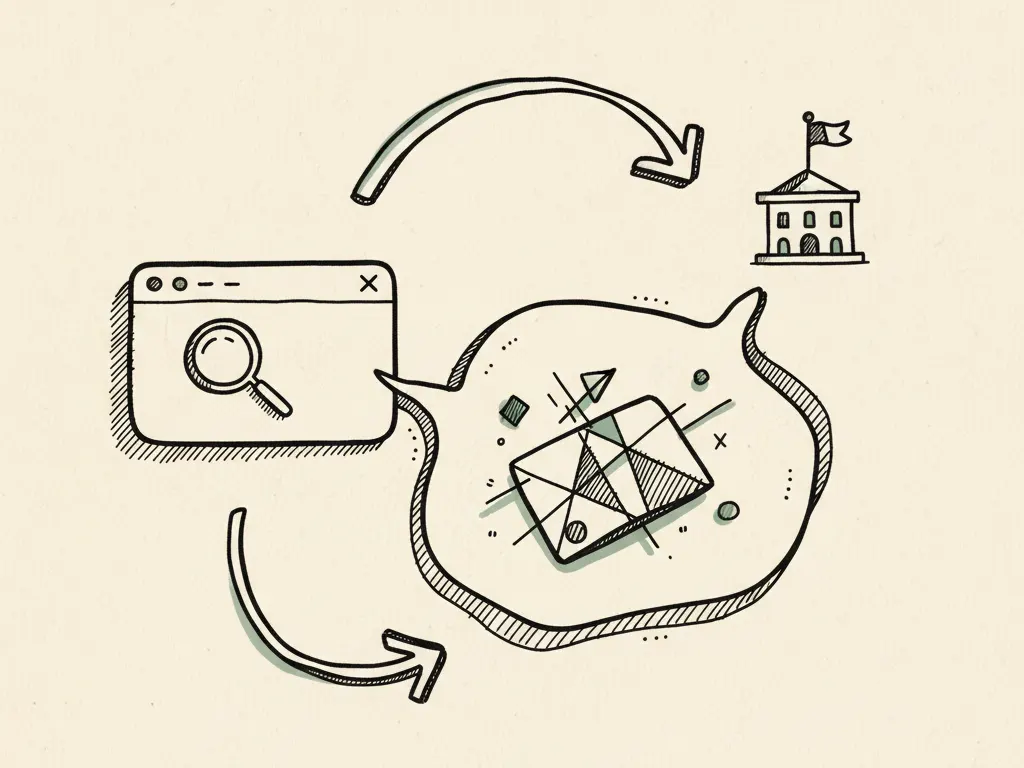
Channels broadly fall into two groups. Demand capture channels intercept people who already know they have a problem and are actively searching for a solution: search engine optimization (SEO), Google Ads, AI search visibility, and comparison or marketplace listings. Demand creation channels interrupt people who are not actively searching, to introduce them to a problem or solution they were not thinking about: social media content, short-form video, display advertising, and influencer partnerships.
Most mature marketing programs use both, but early on, knowing which category you are investing in changes your expectations. Demand capture channels tend to show results once you have visibility (rankings, ad position) and measurable intent. Demand creation channels take longer to show direct revenue because you are building awareness and trust before a purchase decision exists.
| Dimension | Demand capture (SEO, search ads) | Demand creation (social, video, display) |
|---|---|---|
| Audience state | Already searching, has intent | Not actively looking, needs a hook |
| Typical time to signal | Weeks to months | Can be immediate reach, slower conversion |
| Best fit | Established, named problems | New categories, awareness-stage offers |
| Measurement | Often clearer (clicks, conversions) | Requires more modeling (brand lift, assisted conversions) |
The six criteria for channel selection
For each candidate channel, score it against six criteria on a simple 1 to 5 scale, then weight the criteria based on what matters most for your business stage.
- Audience presence: do your actual customers spend meaningful time on this channel, not just 'everyone is on social media' generically?
- Intent: are people on this channel in a buying or research mindset, or purely entertainment/social mindset?
- Transaction value: does your average order or deal size justify the cost and effort of this channel? Low-ticket ecommerce and high-ticket B2B sales favor different channels.
- Creative fit: can your team realistically produce the content format this channel rewards (short video, long-form writing, visual product shots, whitepapers)?
- Distribution cost: what does it cost, in cash or time, to get in front of people here, including rising ad costs or algorithm dependence?
- Measurement: can you attribute enquiries or sales to this channel well enough to know if it's working?
Channel selection scorecard (your deliverable)
Use this template to score up to five candidate channels. Multiply each 1-5 score by the weight (in %) for your business, sum the weighted scores, and compare totals.
- List 3-5 candidate channels your customers plausibly use
- Set weights for audience presence, intent, transaction value, creative fit, distribution cost, measurement (must sum to 100%)
- Score each channel 1-5 per criterion based on evidence, not assumption
- Calculate weighted totals and rank channels
- Check capacity: can you resource the top 1-2 channels consistently for at least one quarter?
- Document the decision and the review date (recommend 8-12 weeks out)
Scenarios by business type
B2B with a long sales cycle
High transaction value typically justifies channels with higher cost per lead, such as LinkedIn, search ads on branded and category terms, and long-form SEO content that supports trust during a long evaluation. Distribution cost matters less than lead quality and sales-cycle alignment.
Ecommerce with lower average order value
Volume and efficiency matter more. Meta Ads, Google Shopping, and organic social content that showcases products visually tend to perform well, alongside email marketing to an owned list for repeat purchases, since repeat customers typically cost far less to re-engage than new customer acquisition.
Local service business
Local SEO (Google Business Profile, location pages), referral and review generation, and highly targeted local paid social or search often outperform broad brand-awareness channels, because the buying radius and intent are tightly geographic.
Common mistakes
- Choosing a channel because a competitor or influencer says it works for them, without checking audience fit for your own customers.
- Spreading a small budget and team across five channels instead of resourcing one or two properly.
- Ignoring creative fit and picking a channel your team cannot produce content for consistently.
- Treating channel choice as permanent instead of revisiting it as the business and competitive landscape change.
- Confusing reach (how many people could see this) with relevance (how many of them are your actual buyers).
When this framework is not the right tactic
If you already have strong signal from existing data, for example two years of attributed enquiries showing SEO drives 70% of qualified leads, you do not need to re-run a full scorecard exercise; use that evidence directly and focus effort on optimizing the proven channel. This framework is most useful when you are entering a new market, launching a new offer with no channel history, or when performance has plateaued and you suspect the channel mix itself, not execution, is the problem.
Putting it into practice
Complete the scorecard with your actual team in a single working session, using real data where you have it (web analytics, CRM source fields, past ad performance) and honest estimates where you don't. The output should be a ranked shortlist of one to two channels to commit to for the next quarter, plus a documented reason for channels you decided to skip, so future decisions don't re-litigate the same debate without new evidence.