Being found by AI-assisted search tools, whether that's ChatGPT's search features or Google's AI-powered search experiences, depends on many of the same basics as traditional search visibility, plus a few considerations specific to how these systems retrieve and cite content. This article walks through a diagnostic process you can run on your own site, distinguishing technical eligibility (can a system access and understand your content) from the separate question of whether any specific answer will cite you.
Step 1: Confirm your pages are accessible to crawlers
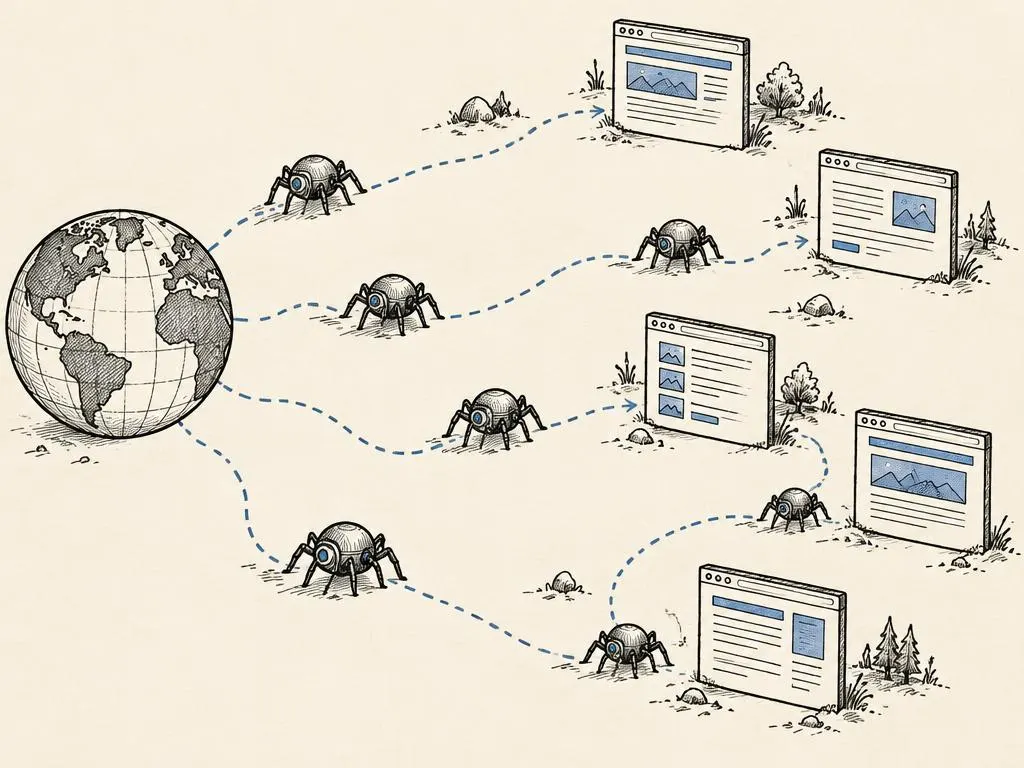
Start with your robots.txt file, found at yourdomain.com/robots.txt. This file tells automated crawlers which parts of your site they may or may not access, and it can specify rules for individual named bots. Review it for any rule that unintentionally blocks important pages, and check whether you have specific rules for the crawlers associated with AI search products you want to allow. Google Search Central documents its crawlers, and OpenAI publishes documentation describing its distinct bots for search versus other uses; consult those official sources directly for current, exact bot names, since this is a detail you should never guess at.
Step 2: Separate search crawling from AI training controls
A critical distinction many site owners miss: some providers operate separate bots for powering real-time search or answer retrieval versus collecting data to train underlying AI models. Blocking a training-data bot does not necessarily block the bot that powers live search retrieval, and vice versa. If your goal is appearing in AI-assisted search answers, verify in official documentation exactly which bot serves that purpose before changing any robots.txt rule, because disabling the wrong one can either fail to achieve your goal or unintentionally remove you from search entirely.
- 1Check robots.txt for unintended blocks on important pages or relevant crawlers
- 2Verify key pages render fully without requiring complex client-side interaction
- 3Confirm internal links let crawlers reach your most important content
- 4Check that your business name, description, and key facts are consistent sitewide and externally
- 5Review your top pages for clear, specific answers versus vague or generic filler
- 6Re-test periodically, since crawler behavior and AI product features change
Step 3: Check rendering and internal discovery
If your site relies heavily on JavaScript to render core content, confirm that content appears in the initial page source or is otherwise accessible without requiring a user action like a click or scroll. Many crawlers can execute some JavaScript, but rendering support and timing vary, so simpler, more directly accessible content is safer. Also confirm that a clear internal link path exists from your homepage to your important pages; content that's only reachable through a search box or buried many clicks deep is harder for any crawler to discover.
Step 4: Entity consistency
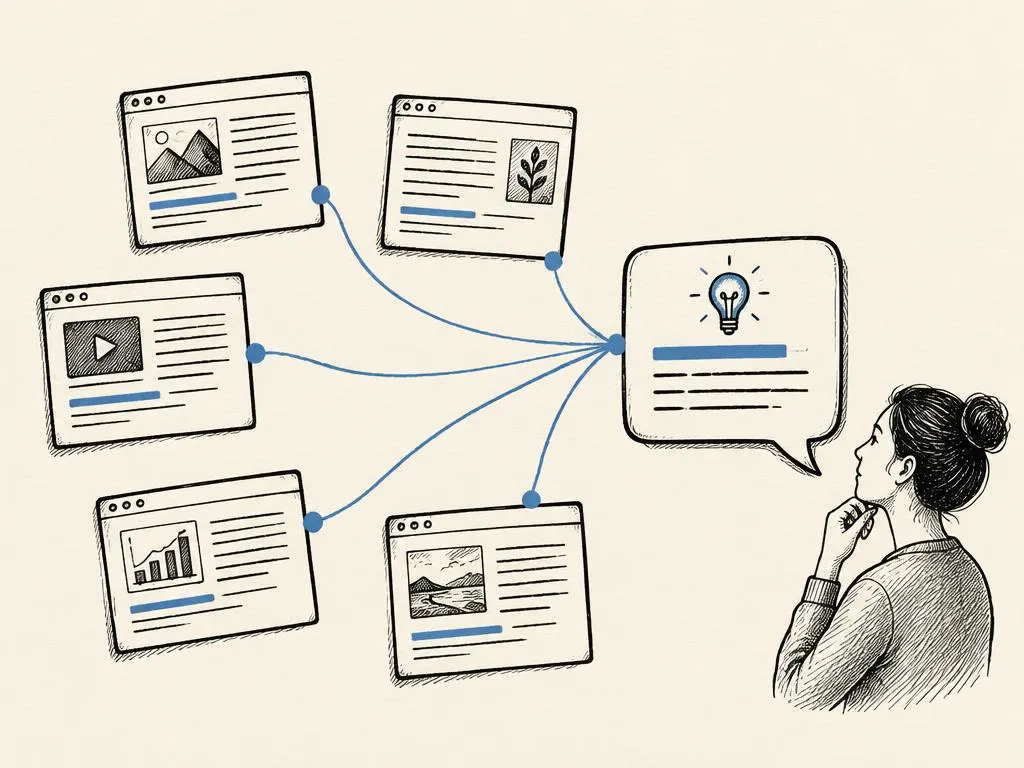
AI systems, like search engines before them, build an internal understanding of 'entities', your business, its services, its location, as a distinct, recognizable thing. Inconsistent facts (a different founding year on your About page versus a press mention, or a service description that contradicts your homepage) make that understanding less confident, which can reduce how reliably a system represents or cites you. Periodically audit your own site and any external profiles or directories you control for consistency.
Step 5: Content quality and specificity
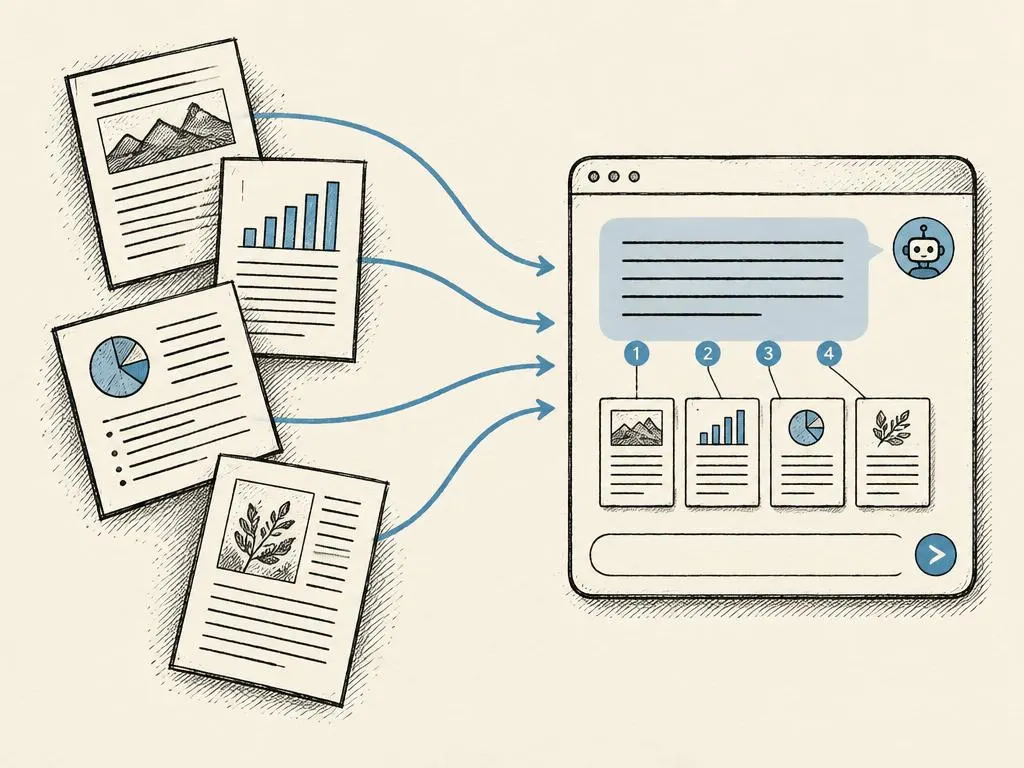
AI-generated answers tend to draw from and cite content that directly and specifically answers a question, rather than vague marketing copy. A page titled 'Our Services' with generic language about quality and excellence gives a retrieval system little specific, citable information. A page that states exactly what a service includes, who it's for, and how it compares to alternatives is more useful to summarize and reference.
A site-access and content-readiness audit
- robots.txt reviewed for accidental blocks on key pages or crawlers
- Important content renders without requiring complex interaction
- Clear internal links connect the homepage to key pages
- Business name, founding facts, and service descriptions match across your site and external mentions
- Top pages state specific, concrete answers rather than vague marketing language
- No reliance on guaranteed-citation claims from any vendor or tool
Eligibility is not a guarantee
Every step above improves your eligibility to be retrieved and cited. None of it guarantees that a specific question will surface your page in a specific answer, because AI-generated responses depend on the exact query, the system's current retrieval approach, and the broader set of competing sources available at that moment, all of which are outside any site owner's control and can change without notice.
Common mistakes
- Guessing at crawler names or robots.txt rules instead of checking current official documentation.
- Blocking an AI training-data bot while assuming it also controls search-answer retrieval, or the reverse.
- Leaving inconsistent facts about the business scattered across pages and external profiles.
- Publishing vague, generic pages that give a retrieval system nothing specific to cite.
- Treating any single fix as a guarantee of appearing in AI-generated answers.
When this is not the right tactic
If your business has no realistic audience researching your category through AI-assisted search today, for example a highly specialized B2B supplier selling exclusively through existing relationships, this work may be a low priority compared to more direct channels. It's also not a substitute for fixing more basic problems first: a site with major technical SEO issues or no clear content strategy should address those fundamentals before layering on AI-specific diagnostics.
Where to go next
Once your site passes this diagnostic, the next step is learning how to measure SEO and AI search visibility responsibly, separating genuine signals like citations and referral traffic from unverifiable claims about market share or exact citation counts.