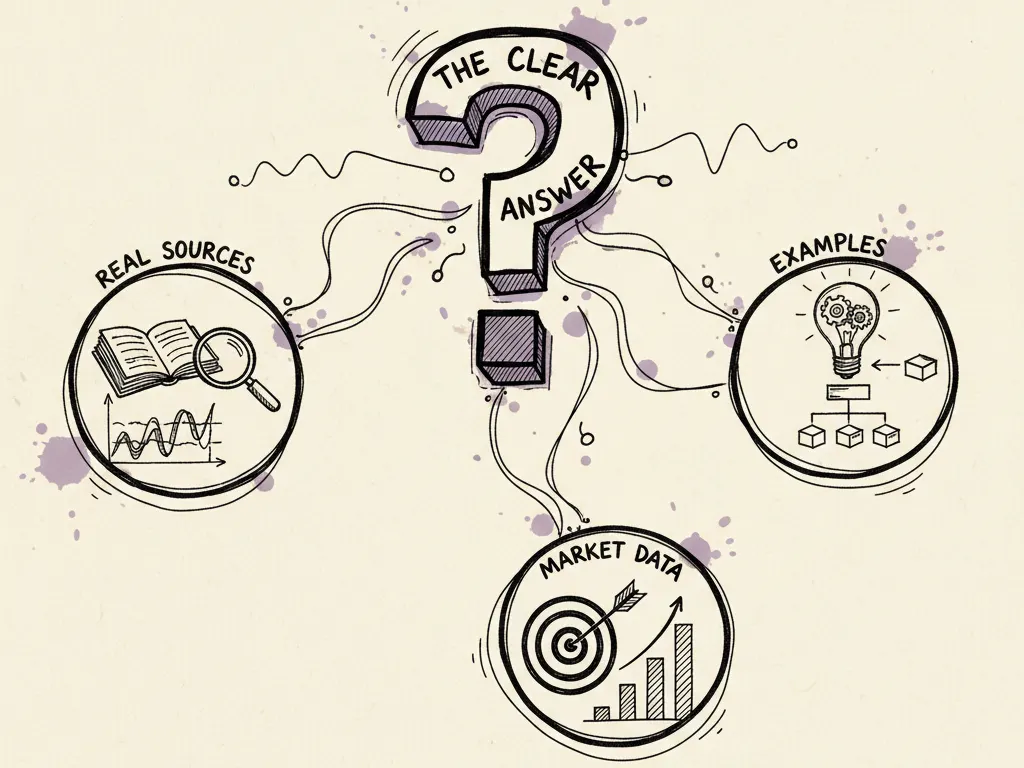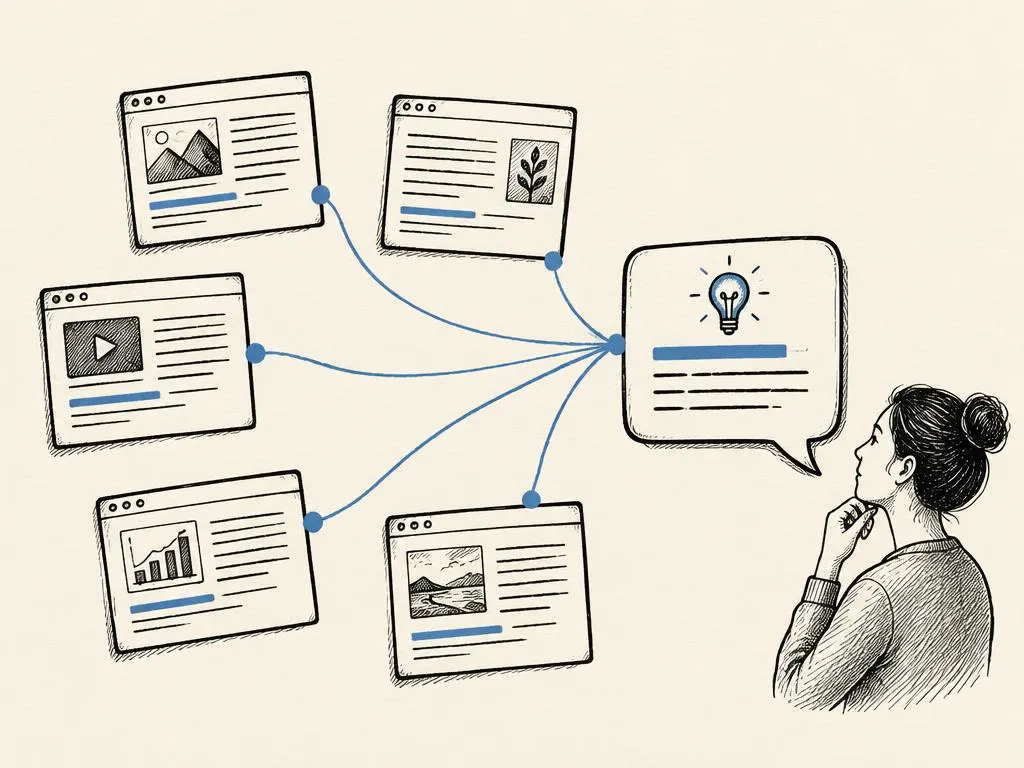
If you've read marketing content recently, you've likely seen three new acronyms: AIEO, AEO, and GEO. Each claims to be the 'new SEO' for the age of AI-assisted search. In reality, they're overlapping industry labels describing the same underlying goal, being accessible, understandable, and citable to AI systems that generate answers, rather than three distinct disciplines requiring separate strategies.
What each term actually means
AIEO (AI engine optimization) and GEO (generative engine optimization) are both used to describe optimizing content so generative AI tools, like chat-based assistants and AI-powered search summaries, can find, understand, and reference it. AEO (answer engine optimization) predates the generative AI wave slightly and originally referred to optimizing for direct-answer features like voice assistants and search result snippets; it's now often used interchangeably with the other two terms. None of these is an official standard defined by a search engine or AI provider; they are names coined and popularized within the marketing and SEO industry to describe a real shift in how people find information.
| Term | Common usage | What it is not |
|---|---|---|
| AEO (answer engine optimization) | Optimizing for direct answers, snippets, and voice results | Not an official search engine ranking factor |
| GEO (generative engine optimization) | Optimizing for citation in AI-generated, conversational answers | Not a guaranteed citation system or paid placement |
| AIEO (AI engine optimization) | A broader, newer label often used interchangeably with GEO | Not a formally defined technical standard |
Why the overlap doesn't matter much in practice
Rather than treating AIEO, AEO, and GEO as three separate checklists, it's more useful to recognize that all three rest on the same foundation as traditional SEO: can a system access your page, can it understand what the page is actually about, and does the content demonstrate enough accuracy and originality to be worth referencing. AI-assisted answer systems generally work by retrieving relevant, crawlable web content and then generating a summary or response, often with citations back to sources. Content that is hard to access, vague, or indistinguishable from dozens of similar pages is unlikely to be chosen as a source, regardless of which acronym you use to describe the effort.
The fundamentals that underlie all three
Accessibility
A page must be crawlable and renderable by the relevant bots to be considered at all. This means avoiding blocking important pages in robots.txt, ensuring content isn't hidden behind client-side rendering that bots can't process, and maintaining working internal links so content can be discovered.
Evidence and originality
Pages that state a clear, specific answer, back it with real detail or original examples, and avoid vague filler are more useful to summarize and cite than generic restatements of common knowledge. This is the same 'people-first content' principle search engines have long described for ranking, applied to a new consumption format.
Entity consistency
Keeping your business name, descriptions, and key facts consistent across your site and other authoritative mentions of you (directories, press, partner sites) helps both traditional search and AI systems build a confident, accurate understanding of who you are, reducing the chance of being misrepresented or ignored.
Organic visibility versus advertising
A practical readiness checklist
- Key pages are crawlable and not blocked for relevant bots unintentionally
- Core content renders without requiring complex user interaction
- Each page answers a specific question clearly, with real detail rather than vague filler
- Business name, description, and key facts are consistent across your site and external mentions
- Content includes original examples, data, or a clear point of view, not just summarized common knowledge
- No reliance on a single 'magic' schema type or file as a guaranteed fix
Common mistakes
- Treating AIEO, AEO, and GEO as three separate strategies requiring three separate budgets.
- Believing a specific schema markup or a file like llms.txt guarantees inclusion in AI answers.
- Confusing paid placement inside an AI product with earning an organic citation.
- Chasing acronym trends while neglecting basic crawlability and content clarity.
- Promising clients guaranteed AI citations or rankings, which no legitimate practitioner can deliver.
When this is not the right tactic
If your site has fundamental SEO problems, broken crawlability, thin or outdated content, inconsistent business information, fixing those should come first; AI-specific optimization built on a broken foundation won't help. Likewise, if your business operates in a context where AI-assisted search sends negligible traffic today, such as a highly localized, in-person-only service, it may be reasonable to deprioritize this and focus on channels with clearer, more immediate returns.
Where to go next
The next logical step is a hands-on audit of your own site's AI search discoverability, followed by learning how to measure AI search visibility responsibly, since early, unverified AI citation-tracking claims are common in this space.