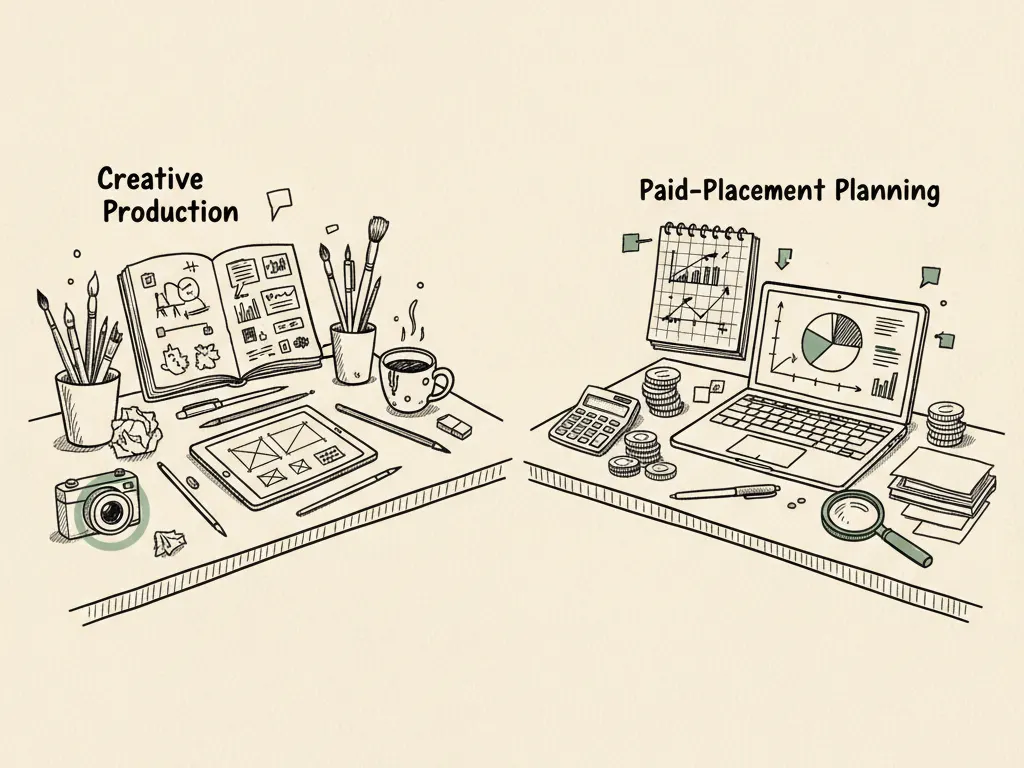
'I'm using ChatGPT for my ads' can mean two very different things. It might mean you asked ChatGPT to draft ten headline variations for a Meta campaign. Or it might mean you set up a paid placement inside ChatGPT through its Ads Manager. These are different tools solving different problems, and mixing up the terminology leads to wasted planning time and, sometimes, the wrong budget line.
The two workflows, side by side
| Creating ads with ChatGPT | Advertising inside ChatGPT (ChatGPT Ads) | |
|---|---|---|
| What it is | Using ChatGPT as a research and drafting assistant | Buying a paid placement inside ChatGPT via Ads Manager |
| Where the ad runs | Any platform you choose: Meta, Google, TikTok, email, etc. | Inside the ChatGPT product itself |
| What you pay for | Nothing extra beyond your ChatGPT subscription or API usage, if any | Ad placement, per OpenAI's current Ads Manager setup |
| Skill required | Prompting, editing, and platform knowledge for wherever it runs | Account eligibility and Ads Manager setup, per current OpenAI documentation |
| Controls your reach on | The platform you ultimately publish to | Placement inside ChatGPT only, within supported formats |
Workflow one: ChatGPT as a creative and research assistant
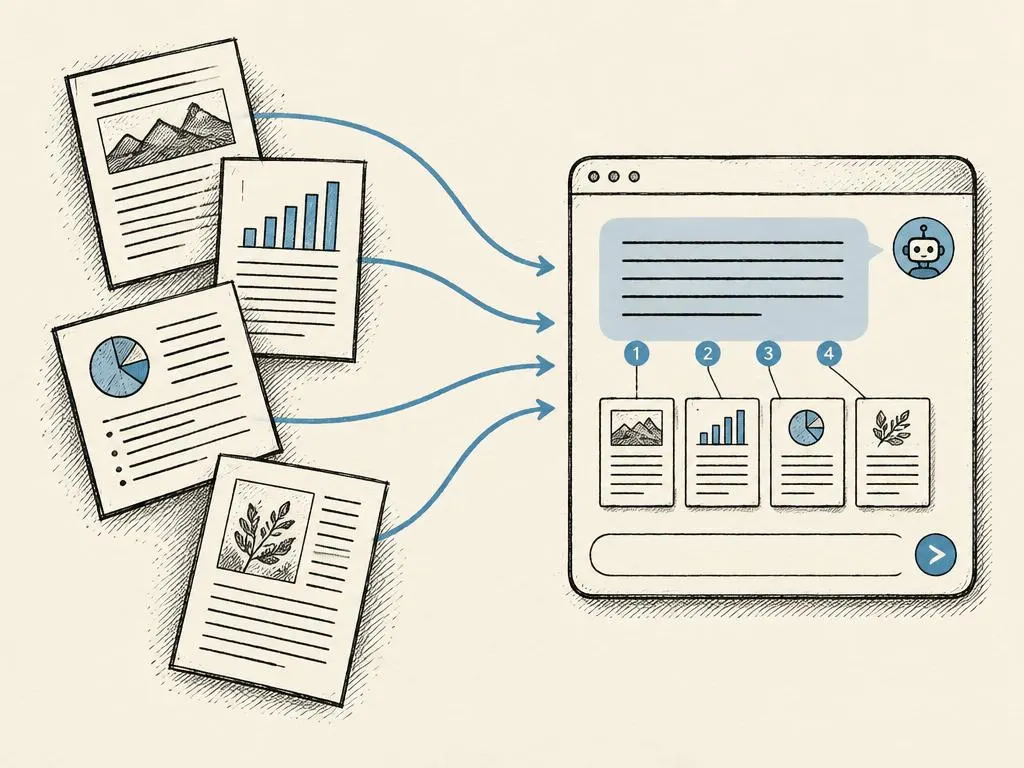
In this workflow, ChatGPT is a tool you use before a campaign is even built on the actual ad platform. Typical tasks include drafting multiple headline and body copy variants, summarizing competitor messaging from public pages, outlining a short video script, or explaining an unfamiliar targeting concept on another platform. The output still has to be reviewed by a person, placed into the actual ad platform's interface (Meta Ads Manager, Google Ads, etc.), and approved against that platform's own policies before it runs.
- 1Brief: define the audience, offer, and goal for the Meta campaign
- 2Draft: ask ChatGPT for 5-10 headline and body copy variants against that brief
- 3Review: a person checks each variant for accuracy, brand voice, and policy fit
- 4Build: the approved variant is entered into Meta Ads Manager with its own targeting and budget
- 5Launch and measure: performance is tracked inside Meta's reporting, not ChatGPT's
Workflow two: buying a placement inside ChatGPT
In this workflow, you are not asking ChatGPT to write anything. You are an advertiser setting up a paid placement that appears inside the ChatGPT product, through the Ads Manager process OpenAI documents officially. This requires meeting whatever account and eligibility prerequisites currently apply (covered in the previous lesson), and it is measured through whatever reporting ChatGPT Ads currently provides, separate from Meta's or Google's reporting.
Where organic AI search visibility fits
A third, separate concept is appearing in ChatGPT's own independent conversational answers when a user asks an open question, without any ad involved. That depends on how discoverable and well-structured your content and information are, not on either of the two workflows above. Buying a ChatGPT ad does not improve your odds of appearing in an unrelated independent answer, and using ChatGPT to write your website copy does not either, directly; the organic visibility lessons elsewhere in this curriculum cover what actually helps there.
What buying an ad does not control
Whether you buy a placement on Meta, Google, or inside ChatGPT, paying for an ad controls your own bid, creative, and targeting within the platform's rules. It does not control what competitors do, guarantee a fixed position over time, or buy influence over any AI system's independent, unpaid answers to unrelated questions. Keep this distinction explicit when explaining ad options to a client or colleague who may assume 'paying for ads' means buying broader influence than it does.
Your decision guide
- If the goal is better copy or research for a campaign you'll run elsewhere, use ChatGPT as a drafting tool, then build in that platform's ads manager
- If the goal is a placement seen by ChatGPT users specifically, verify ChatGPT Ads eligibility and set up through Ads Manager
- If the goal is appearing in ChatGPT's independent answers, focus on organic AI search visibility, not either ad workflow
- Before using either workflow's output live, have a person review for accuracy, brand fit, and platform policy compliance
- State clearly in internal briefs and client communication which of the two workflows a plan refers to, to avoid budget confusion
Common mistakes
- Telling a client 'we're running ChatGPT ads' when the work actually used ChatGPT to draft Meta or Google ad copy.
- Assuming ChatGPT Ads setup and Meta Ads Manager setup use the same fields, objectives, or targeting concepts.
- Believing a ChatGPT ad buy improves ranking in ChatGPT's independent, unpaid answers.
- Publishing AI-drafted copy on any platform without a human accuracy and brand check.
- Skipping platform-specific policy review because the copy was 'just drafted by AI' rather than written in-house.
When this is not the right tactic
If your team has no current need to advertise inside ChatGPT specifically, and your main goal is simply writing better ad copy faster for channels you already use, there is no need to evaluate ChatGPT Ads at all; stick with workflow one and revisit ChatGPT Ads eligibility later if your strategy changes. Conversely, if your main goal is appearing in independent AI answers rather than paid placement anywhere, neither workflow here is the right lesson; the organic AI search visibility module is.
Where to go next
With the terminology and workflows distinguished, the next practical step is building a safe way to automate repetitive parts of ad creative production without losing the human review step, covered in the lesson on automating marketing workflows without losing control.